
You want to know what 600 pesos mexicanos a chilenos is worth and how to make the exchange. Currency exchange rates can be confusing, constantly changing, and full of hidden fees. This guide will provide the current conversion rate, explain the factors that influence it, and show you the best ways to exchange your money to get the most value.
The information here is based on current financial data and practical experience, designed to help travelers and anyone sending money between Mexico and Chile. Understanding this process will empower you to handle any future currency conversions with confidence.
The Current Value: What 600 MXN is Worth in CLP Today
As of [Current Date], 600 Mexican Pesos is equal to approximately 32,700 Chilean Pesos.
Let’s break it down. The mid-market rate is the real exchange rate without any fees. It’s the benchmark you should use for comparison.
Here’s the simple calculation:
– 600 MXN * 54.50 CLP = 32,700 CLP.
To give you more context, here’s a small conversion chart:
- 100 MXN = 5,450 CLP
- 500 MXN = 27,250 CLP
- 1000 MXN = 54,500 CLP
- 5000 MXN = 272,500 CLP
Keep in mind, the rate you actually get from a bank or transfer service will be slightly different. They add their service fees or spread.
Always check a live currency converter like Google or XE.com for the most up-to-the-minute rate before making a transaction. This way, you can make sure you’re getting the best deal on 600 pesos mexicanos a chilenos.
Why the MXN to CLP Exchange Rate is Always Changing
You might think exchange rates are set in stone, but they’re anything but. Floating exchange rates mean their values go up and down based on supply and demand in the foreign exchange market. Simple, right?
Inflation plays a big role. When inflation is high in Mexico or Chile, their currencies tend to weaken. Interest rates set by central banks also matter.
Higher interest rates can make a currency more attractive.
Economic growth, or GDP, is another key factor. A strong economy usually means a stronger currency. But it’s not just about the numbers.
International trade and commodity prices have a huge impact too. Copper is a major export for Chile, and oil for Mexico. If copper prices rise, the Chilean Peso (CLP) might strengthen.
The same goes for oil and the Mexican Peso (MXN).
Political stability and investor sentiment are crucial. Stable governments and positive economic outlooks attract foreign investment, which strengthens the local currency. It’s like a popularity contest, but with money.
Think of it this way: if more people want to buy Mexican Pesos, its value goes up. And if fewer people want 600 pesos mexicanos a chilenos, the CLP might weaken. 600 pesos mexicanos a chilenos
While these factors are complex, you don’t need to be an expert. Just be aware that rates fluctuate. It’s all about staying informed and making smart decisions.
How to Exchange Your Pesos: The Smartest and Most Expensive Ways
Ever wondered why some people get a better exchange rate than others? It’s all about the options you choose.
Modern online money transfer services like Wise and Remitly are top choices. They often offer rates close to the mid-market rate and show fees upfront. This transparency can save you a lot of money.
Using a multi-currency debit card or a credit card with no foreign transaction fees is another convenient option, especially for travelers. Just make sure to always choose to be charged in the local currency (CLP). It avoids those sneaky conversion fees.
But what about the worst options? Airport currency exchange kiosks and hotel desks are notorious for poor exchange rates and high hidden fees. Their overhead is high, and they know you’re a captive audience.
Traditional banks are safe, but their exchange rates are often less competitive. Plus, they might hit you with wire transfer fees that aren’t immediately obvious.
So, if you need to convert 600 pesos mexicanos a chilenos, which way would you go? Think about it. The smartest move is to use an online service or a transparent card.
The most expensive? Well, you know where not to go now.
Common Questions About Converting Mexican to Chilean Currency
Is it better to exchange money before I travel or when I arrive in Chile? Generally, it’s better to use an ATM upon arrival or an online service. This way, you get the most current exchange rate and avoid carrying large amounts of cash.
What is the currency symbol for each peso? The Mexican Peso uses MXN, and the Chilean Peso uses CLP. Knowing these symbols can help avoid confusion when dealing with different currencies.
Can I use Mexican Pesos in Chile? No, you cannot. You must convert your money to the local currency, Chilean Pesos, once you’re there.
How about tracking the exchange rate? Set up alerts on a currency app or website. This helps you monitor fluctuations, especially if you’re planning a large transfer.
By the way, 600 pesos mexicanos a chilenos might sound like a lot, but it’s important to check the current exchange rate to know exactly how much that is in Chilean Pesos.
Making Your Currency Exchange with Confidence
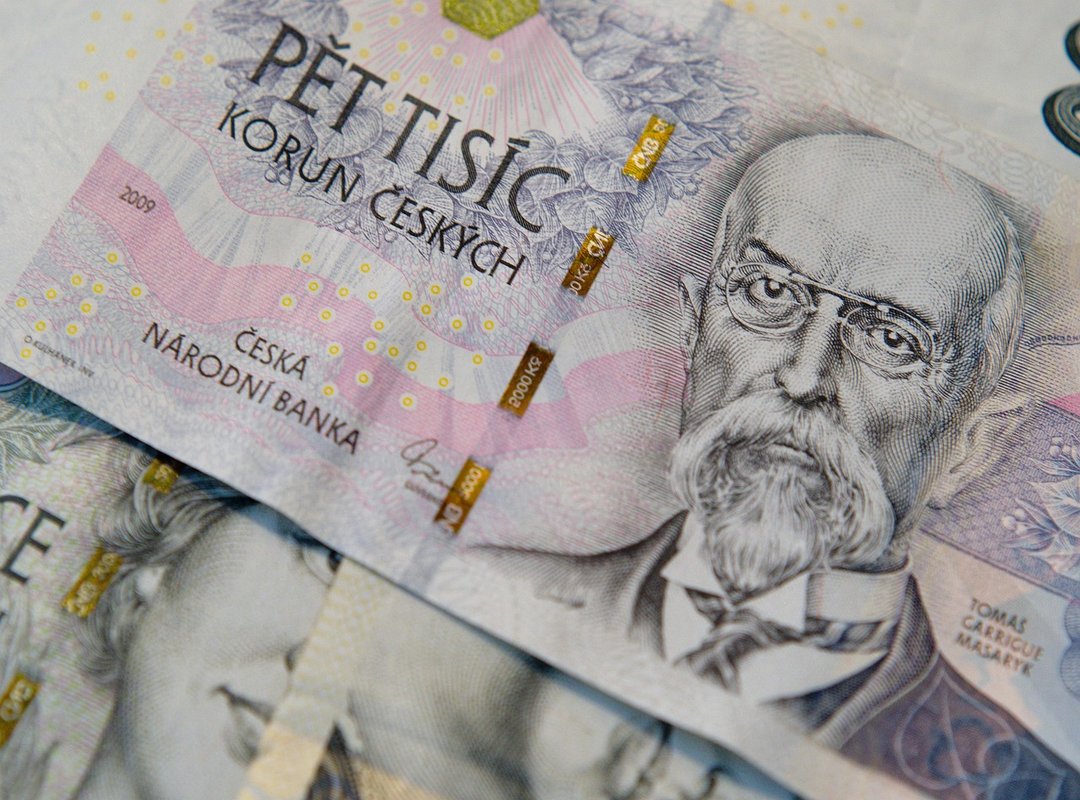
Converting 600 pesos mexicanos a chilenos is straightforward when you know where to look and what to avoid. You no longer have to guess about rates or fall for high fees at airport kiosks. Always check the live mid-market rate first.
Then, compare low-fee options like online transfer services or ATMs. You now have the tools to make smart currency decisions, ensuring more of your money stays in your pocket.
 Elizabeth Burksolider writes the kind of family routine strategies content that people actually send to each other. Not because it's flashy or controversial, but because it's the sort of thing where you read it and immediately think of three people who need to see it. Elizabeth has a talent for identifying the questions that a lot of people have but haven't quite figured out how to articulate yet — and then answering them properly.
They covers a lot of ground: Family Routine Strategies, Curious Insights, Parenting Daily Buzz, and plenty of adjacent territory that doesn't always get treated with the same seriousness. The consistency across all of it is a certain kind of respect for the reader. Elizabeth doesn't assume people are stupid, and they doesn't assume they know everything either. They writes for someone who is genuinely trying to figure something out — because that's usually who's actually reading. That assumption shapes everything from how they structures an explanation to how much background they includes before getting to the point.
Beyond the practical stuff, there's something in Elizabeth's writing that reflects a real investment in the subject — not performed enthusiasm, but the kind of sustained interest that produces insight over time. They has been paying attention to family routine strategies long enough that they notices things a more casual observer would miss. That depth shows up in the work in ways that are hard to fake.
Elizabeth Burksolider writes the kind of family routine strategies content that people actually send to each other. Not because it's flashy or controversial, but because it's the sort of thing where you read it and immediately think of three people who need to see it. Elizabeth has a talent for identifying the questions that a lot of people have but haven't quite figured out how to articulate yet — and then answering them properly.
They covers a lot of ground: Family Routine Strategies, Curious Insights, Parenting Daily Buzz, and plenty of adjacent territory that doesn't always get treated with the same seriousness. The consistency across all of it is a certain kind of respect for the reader. Elizabeth doesn't assume people are stupid, and they doesn't assume they know everything either. They writes for someone who is genuinely trying to figure something out — because that's usually who's actually reading. That assumption shapes everything from how they structures an explanation to how much background they includes before getting to the point.
Beyond the practical stuff, there's something in Elizabeth's writing that reflects a real investment in the subject — not performed enthusiasm, but the kind of sustained interest that produces insight over time. They has been paying attention to family routine strategies long enough that they notices things a more casual observer would miss. That depth shows up in the work in ways that are hard to fake.