
Anchor the Big Stuff
Tall furniture and flat screens may look harmless, but to a toddler, they’re climbing walls. And once they start scaling, it doesn’t take much for a bookshelf or TV to come crashing down. If it’s not bolted, it’s a risk.
Skip the guesswork secure every tall piece of furniture to the wall using anti tip brackets or safety straps. These small fixes can stop a major accident. It’s not just about heavy books or electronics; even a small dresser can tip with the right amount of toddler determination.
Think of it like this: your kid will try to climb. That’s not a possibility it’s a guarantee. So anchor everything early, test it often, and don’t assume anything is too sturdy to fall.
Gate Off Hazard Zones
Toddlers are fast. One second they’re quietly stacking blocks, the next they’re halfway up the stairs or toddling toward a hot oven. Gates are your first line of defense. Place them at both the top and bottom of staircases don’t rely on just one. Kitchens, fireplaces, and home gyms are full of sharp corners, heat sources, and heavy equipment that aren’t kid friendly. Block access entirely when you can.
Not all gates are created equal. Hardware mounted models cost a bit more and take extra time to install, but they’re worth it. They stay put, even when a growing toddler decides it’s fun to shake them like a jail cell. Pressure mounted gates can work for room dividers but skip them on stairs or high risk zones. Your kid’s safety is not the time to cut corners.
Plug Every Outlet
Outlets are eye level temptations for crawling toddlers. Snap in covers or sliding style outlet protectors offer better defense than the old school plastic caps they stay in place, even when curious fingers start poking. Go with a design that doesn’t pop out easily and blends into your wall.
Loose cords are another hazard, especially ones dangling off counters or plugged into low sockets. Chargers, lamps, and baby monitors keep the cords short or use cord organizers to secure slack. If it’s within arm’s reach, it’s fair game for pulling, chewing, or tripping over.
Also, don’t forget the older siblings. If you’ve got big kids in the house, loop them in. Make sure they know to unplug devices when done and keep cords and chargers off the floor. Teach them what looks harmless to them could be dangerous to their little brother or sister.
Lock Up the Little Things
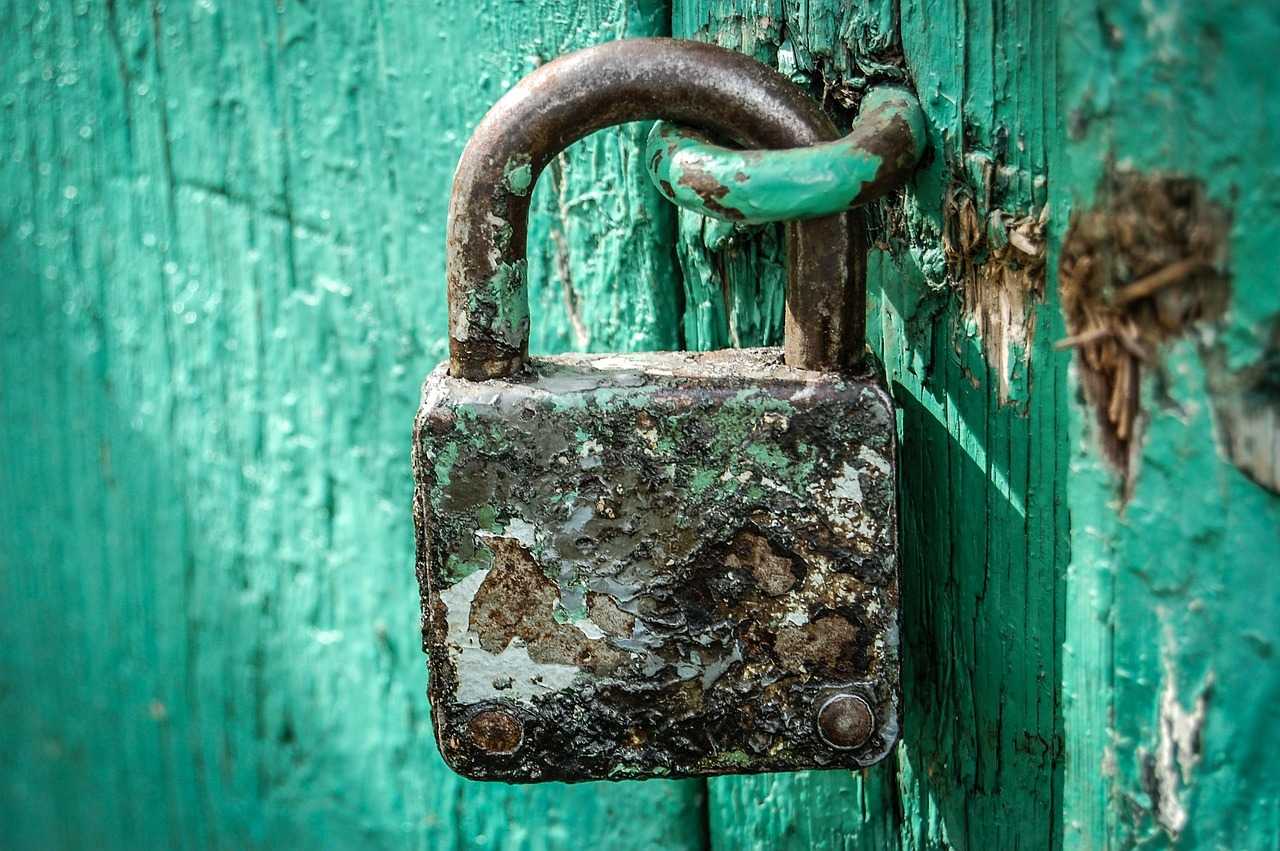
Toddlers are endlessly curious and fast. One quiet moment can turn into a potential hazard if drawers, cabinets, or toilet lids aren’t secured. Install child proof locks anywhere little hands might wander. That means your kitchen drawers, bathroom cabinets, and yes even the toilet.
Anything sharp, small, or toxic needs to be out of sight and out of reach. Store knives and scissors in upper drawers, keep batteries and pills in locked containers, and read the labels on everyday products even vitamins can be dangerous in the wrong dose.
Cleaning products? Those go on the top shelf with a safety latch, not under the sink. Toddlers don’t know what’s off limits yet. You have to think a few steps ahead and design your home like your toddler is already on a mission.
Pad Sharp Corners and Edges
Toddlers are unsteady by nature wobbly steps, sudden tumbles, curious hands everywhere. That’s why sharp edges around your home are not just cosmetic concerns they’re injury magnets. Start with the obvious: coffee tables, counters, bed frames. Corner guards are cheap, fast to install, and take the sting out of unexpected face plants.
Next, get low. Sit or crawl at your toddler’s eye level and scan the room. You’ll spot dangers you didn’t notice standing up exposed frame joints, protruding hardware, sneaky corners on storage bins. This angle is how your toddler sees the world, and it helps you prep it better.
Finally, don’t forget the floor. Loose rugs are stealth hazards just waiting for tiny feet to snag. Use rug tape or non slip pads to keep everything flat and anchored. Less sliding means fewer spills. In toddler territory, friction is your friend.
Keep Floors and Toys Clutter Free
Toddlers aren’t known for watching where they step and neither are tired parents. Leaving toys, shoes, or tangled cords scattered on the floor is an open invitation for trips and tumbles. Build the habit of clearing walkways and play zones regularly. It’s a small gesture that prevents big accidents.
Storage bins help, but choose wisely. Go for ones with soft or rounded edges to avoid injury if your child takes a dive into them (because, yes, they will). Skip bins with sharp corners or lids that snap shut aggressively.
Lastly, not all toys are created equal. Ditch the flimsy plastic stuff that cracks or collapses under toddler pressure. Choose sturdy, age appropriate toys that can keep up. Toys that break easily become choking hazards fast. Keep it simple. Keep it safe.
Monitor Sound and Sleep Safety
Sleep should be quiet, safe, and uninterrupted not a tangle of cords or distractions. Baby monitors are useful tools, but they come with risks if placed too close to your child. Always position monitors away from the crib, especially clear of strings, cords, or mobiles that could get pulled in. Keep cables tucked high and out of reach toddlers are curious and fast.
The same rule applies to white noise machines. Sure, they help with sleep, but make sure they’re placed at a safe distance at least a few feet from the crib and never inside or attached to crib bars. Aim for low volume and steady sound, nothing too loud or overly complex.
Still dealing with a midnight roamer? Tackling sleep habits directly can go further than any gadget. These sleep training tips for restless toddlers offer solid, practical ways to build healthy routines that improve both safety and sanity.
Keep an Emergency Ready Mindset
Accidents happen fast. Being prepared isn’t being paranoid it’s just smart. Keep a well stocked first aid kit somewhere you can grab it in seconds, not minutes. You won’t have time to dig through drawers when something goes wrong.
If it’s been a while since your last CPR class, sign up again. Knowing how to respond in those first few critical minutes could make all the difference. Plenty of local hospitals and community centers offer refreshers it doesn’t take much time, and it gives you real peace of mind.
Lastly, write down key emergency numbers and post them in plain view. Not just 911, but also your pediatrician and poison control. Babysitters, grandparents, even your sleep deprived future self anyone should be able to find help fast.
Safety in 2026 means staying proactive update your setup as your little one grows, explores, and tests limits. Your vigilance makes all the difference.
 Ask Zyphara Vosswyn how they got into late-night motherhood reflections and you'll probably get a longer answer than you expected. The short version: Zyphara started doing it, got genuinely hooked, and at some point realized they had accumulated enough hard-won knowledge that it would be a waste not to share it. So they started writing.
What makes Zyphara worth reading is that they skips the obvious stuff. Nobody needs another surface-level take on Late-Night Motherhood Reflections, Curious Insights, Family Routine Strategies. What readers actually want is the nuance — the part that only becomes clear after you've made a few mistakes and figured out why. That's the territory Zyphara operates in. The writing is direct, occasionally blunt, and always built around what's actually true rather than what sounds good in an article. They has little patience for filler, which means they's pieces tend to be denser with real information than the average post on the same subject.
Zyphara doesn't write to impress anyone. They writes because they has things to say that they genuinely thinks people should hear. That motivation — basic as it sounds — produces something noticeably different from content written for clicks or word count. Readers pick up on it. The comments on Zyphara's work tend to reflect that.
Ask Zyphara Vosswyn how they got into late-night motherhood reflections and you'll probably get a longer answer than you expected. The short version: Zyphara started doing it, got genuinely hooked, and at some point realized they had accumulated enough hard-won knowledge that it would be a waste not to share it. So they started writing.
What makes Zyphara worth reading is that they skips the obvious stuff. Nobody needs another surface-level take on Late-Night Motherhood Reflections, Curious Insights, Family Routine Strategies. What readers actually want is the nuance — the part that only becomes clear after you've made a few mistakes and figured out why. That's the territory Zyphara operates in. The writing is direct, occasionally blunt, and always built around what's actually true rather than what sounds good in an article. They has little patience for filler, which means they's pieces tend to be denser with real information than the average post on the same subject.
Zyphara doesn't write to impress anyone. They writes because they has things to say that they genuinely thinks people should hear. That motivation — basic as it sounds — produces something noticeably different from content written for clicks or word count. Readers pick up on it. The comments on Zyphara's work tend to reflect that.