
Why Independent Play Matters in 2026
Today’s child development research backs what many seasoned parents learn through trial and error independent play isn’t just a convenience, it’s a foundational skill. When kids play on their own, they’re exercising something deeper than just imagination. They’re building concentration, testing ideas, and solving problems on their terms. That low stakes experimentation wires the brain for creativity and resilience two qualities modern kids need more than ever.
It’s not about leaving your child alone with a pile of toys. It’s about creating space for them to drive their own experience, without constant adult direction. Neuroscientists have found that this type of “self directed time” actually strengthens executive function skills the same area of the brain that helps with emotional regulation and decision making later in life.
And for parents? It’s a small lifeline. The guilt free kind. Knowing your kid is growing while you take a breather or clear your inbox isn’t just a win it’s sanity saving. Encouraging solo play helps shift the vibe at home from constant entertainment provider to calm coexistence, one block tower or tea party at a time.
Trick #1: Start with a “Yes Space”
If you want your child to play on their own, you have to give them a space where the answer is always “yes.” A “yes space” is a small, defined area where kids can move freely without constant correction no sharp corners, no fragile decorations, no toys that need adult operation. Think soft rugs, a few simple toys, and a child safe zone they can own.
The key here is less, not more. Too many toys lead to overwhelm and aimless wandering. Stick to open ended items blocks, scarves, animal figurines that encourage imagination over flashing lights. This minimal approach forces creativity and makes the space feel calm instead of chaotic.
Boundaries are what make this work. Kids quickly learn that this space equals freedom. No hovering. No interruptions. It’s their zone to explore, make small decisions, and build confidence without hand holding. The clear boundary signals both safety and trust a combo that launches independent play faster than any fancy toy.
Trick #2: Rotate, Don’t Overwhelm
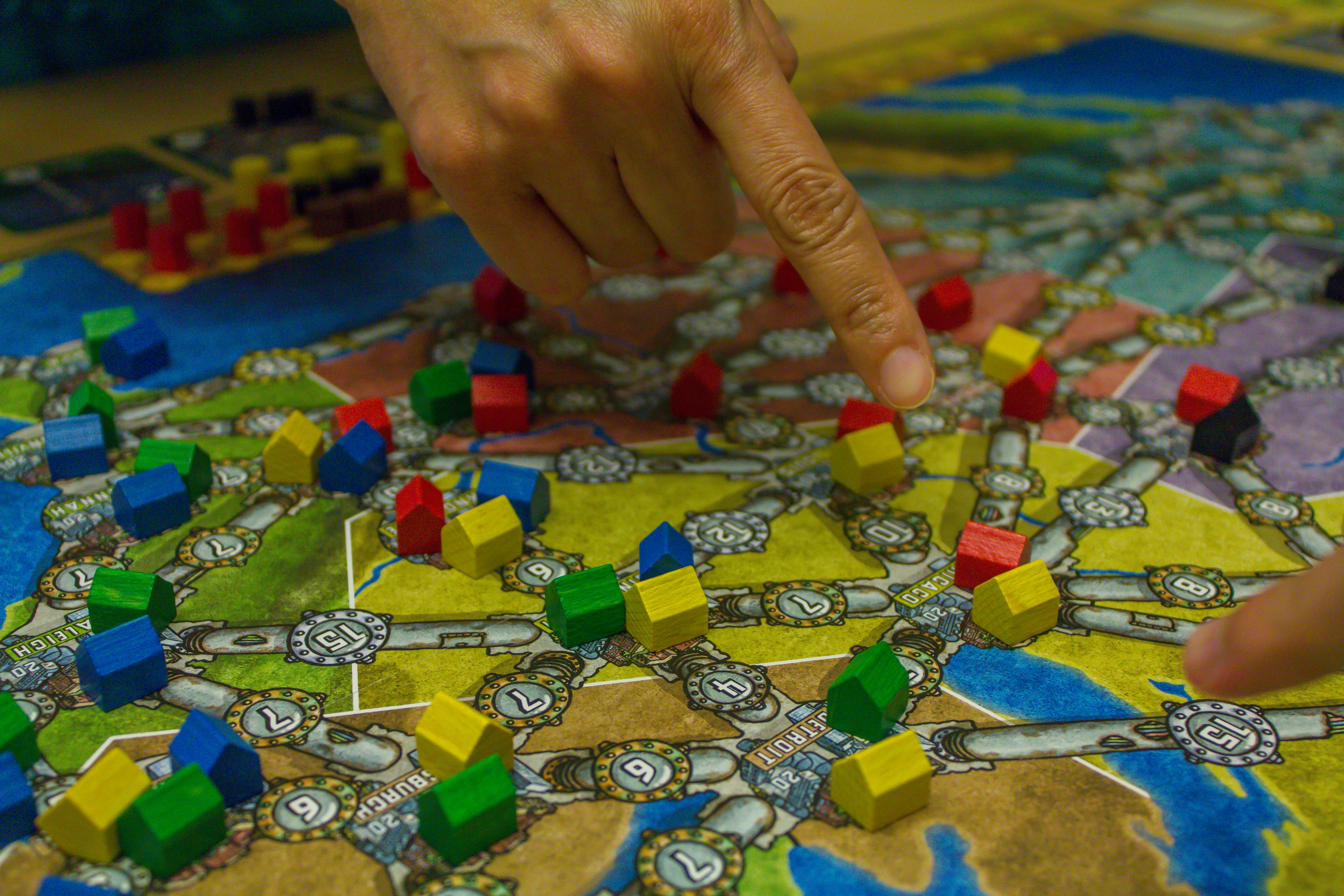
Too many toys is like too many tabs open overstimulation kills focus. Kids don’t need more stuff, they need a smarter mix. The trick? Rotation. Swapping out toys weekly keeps things fresh without buying anything new.
Take a storage bin, load it with half the toys, and tuck it away. Next week, do the switch. That dump truck they forgot about? Suddenly fascinating again. Less clutter also means kids zero in more. When they’re not buried under choice, they get creative. They make rules. They invent stories. They stay longer.
It’s not about hiding toys it’s about creating rhythm. Variety over chaos. Curiosity over quantity.
Trick #3: Narrate, Then Step Back
Sometimes the best way to invite independent play is simply to observe and speak out loud. Not instructions. Just curiosity. Instead of saying, “Play with the blocks,” try, “I wonder what kind of house the animals would like to live in today?” Or, “Looks like the rocket is ready to launch.” That’s it. Then step back.
This kind of narration nudges a child’s attention without taking the reins. It invites but doesn’t pressure. You’re not giving a task. You’re opening a door. That tiny moment of framing releases their imagination to take over.
Resist the follow up questions and let silence stretch. The power’s in that pause. When kids choose what comes next, it becomes their world not yours. And that’s where focus starts to build.
Trick #4: Let Boredom Happen
Encouraging independent play means allowing space for a child to be bored and that’s not a bad thing. Boredom is often the quiet gateway to imaginative thinking and self guided learning.
Boredom Fuels Creativity
Children don’t need constant entertainment. When left to their own devices, they begin to:
Invent stories and characters
Explore toys in new, creative ways
Develop resilience in quiet moments
These experiences drive deep learning and self regulation skills.
Resist the Urge to Step In
It’s tempting to jump in when your child looks restless or says they have “nothing to do.” But giving them time to sit with the feeling can encourage them to figure things out on their own.
Tips:
Count slowly to 60 before offering help; they may surprise you
Encourage curiosity with a question, not a solution (e.g., “What could you try next?”)
Stay nearby, but let them lead
Expect Pushback at First
Most kids will resist initially, asking for screens or structured attention. That’s normal.
Here’s what you might see:
Complaints or whining in the beginning
Quick shifts between toys or activities
Testing limits to get your engagement
Give it time. With gentle consistency and clear boundaries, your child will begin to value boredom as the space where ideas grow.
Letting boredom happen isn’t neglect it’s giving your child the gift of self driven play.
Trick #5: Echo Their Routine in Play
Kids learn best through what they already know. So if your toddler spends the morning watching you make coffee or load the dishwasher, use that as your creative cue. Set up a mini version of their world: a small kitchen, a toy vacuum, maybe a doll stroller parked beside yours. These setups don’t need to be fancy just familiar.
Why it works is simple: kids thrive on repetition and pattern. When their play mirrors daily life, they feel more in control. That sense of ownership builds confidence and makes them more likely to play on their own. It doesn’t hurt that they love mimicking everything you do.
This approach is especially useful when you’re helping them master routines like toilet training. Introducing a toy potty for a favorite stuffed animal can ease pressure and ignite interest. It’s not magic, but it’s close.
For more help with building healthy habits through play, check out Toilet Training: What Works and What Doesn’t at Age 2.
Reinforcing the Habit Over Time
Independent play isn’t just a phase it’s a lifelong skill. Like any skill, it deepens with practice, encouragement, and patience. As a parent or caregiver, your role isn’t to entertain constantly, but to support progress without hovering.
Let Success Happen Without Disruption
It’s tempting to jump in when we see our children playing quietly on their own. But uninterrupted playtime sends a powerful message: you can do this on your own.
Avoid swooping in to comment or correct
Hold back praise until they’re naturally wrapping up
Observing quietly helps them feel confident and capable
Keep Expectations Realistic
Not every child will play for an hour alone and that’s okay. Independent play grows with time and age. Expect short bursts at first, especially for toddlers and preschoolers.
A few focused minutes is a big win for younger kids
Build stamina gradually by adding a few extra minutes to play sessions each week
Match activities to their developmental stage
Consistency Builds the Habit
Think of independent play like brushing teeth it becomes easier and more automatic the more it’s built into the daily rhythm.
Create a regular time and space for solo play
Signal when it’s time with visual or verbal cues
Be patient: some days will go better than others
By respecting their efforts, pacing expectations, and staying consistent, you’re helping your child develop not just independence in play but resilience and confidence, too.
 Claudette Thomasadies is the kind of writer who genuinely cannot publish something without checking it twice. Maybe three times. They came to essential mom life tips and tricks through years of hands-on work rather than theory, which means the things they writes about — Essential Mom Life Tips and Tricks, Family Routine Strategies, Parenting Daily Buzz, among other areas — are things they has actually tested, questioned, and revised opinions on more than once.
That shows in the work. Claudette's pieces tend to go a level deeper than most. Not in a way that becomes unreadable, but in a way that makes you realize you'd been missing something important. They has a habit of finding the detail that everybody else glosses over and making it the center of the story — which sounds simple, but takes a rare combination of curiosity and patience to pull off consistently. The writing never feels rushed. It feels like someone who sat with the subject long enough to actually understand it.
Outside of specific topics, what Claudette cares about most is whether the reader walks away with something useful. Not impressed. Not entertained. Useful. That's a harder bar to clear than it sounds, and they clears it more often than not — which is why readers tend to remember Claudette's articles long after they've forgotten the headline.
Claudette Thomasadies is the kind of writer who genuinely cannot publish something without checking it twice. Maybe three times. They came to essential mom life tips and tricks through years of hands-on work rather than theory, which means the things they writes about — Essential Mom Life Tips and Tricks, Family Routine Strategies, Parenting Daily Buzz, among other areas — are things they has actually tested, questioned, and revised opinions on more than once.
That shows in the work. Claudette's pieces tend to go a level deeper than most. Not in a way that becomes unreadable, but in a way that makes you realize you'd been missing something important. They has a habit of finding the detail that everybody else glosses over and making it the center of the story — which sounds simple, but takes a rare combination of curiosity and patience to pull off consistently. The writing never feels rushed. It feels like someone who sat with the subject long enough to actually understand it.
Outside of specific topics, what Claudette cares about most is whether the reader walks away with something useful. Not impressed. Not entertained. Useful. That's a harder bar to clear than it sounds, and they clears it more often than not — which is why readers tend to remember Claudette's articles long after they've forgotten the headline.