
Quick Wins with Whole Foods
Toddlers are naturally curious with food too. That’s why making snack time visually fun can go a long way. Think sliced cucumbers cut into stars, or melon chunks shaped like animals using simple cookie cutters. It doesn’t need to be Pinterest perfect; it just needs to catch their eye and make them want to touch (and hopefully taste) it.
You don’t have to overload it with sugar to make it appealing either. No sugar added dips like plain yogurt or hummus are solid wins when paired with the right sides. Try apple slices in cinnamon yogurt or mini bell peppers dipped in hummus. Keeps it hands on and adds just enough flavor to keep them reaching back in.
Lastly, texture matters more than most parents think. Toddlers often get bored or overwhelmed by sameness. A snack plate with something crunchy (carrot sticks), something soft (banana chunks), and something chewy (dried fruit) can hold attention longer than a pile of crackers. It’s all about mixing it up without complicating your life.
Snack Ideas That Check All the Boxes
Healthy toddler snacks don’t need to be fussy. Aim for three things: protein to fill them up, fiber to keep it moving, and color to catch their eye. A boiled egg, some sliced strawberries, and a few whole grain crackers? That’s a win. Half a mini sandwich, cucumber sticks, and a smear of hummus? Solid territory.
The prep doesn’t have to be complicated either. Use muffin tins for grab and go storage or bento boxes to keep the colors clean and separate. Toddlers like a sense of order small, defined spaces make food less overwhelming and more snacking friendly.
When it’s 8 a.m. and the chaos is real, it helps to have go to combos ready. Try:
Cottage cheese + banana slices + multigrain cereal puffs
Mini turkey roll ups + sweet bell pepper strips + frozen berries
Greek yogurt + chia seed applesauce + rice cakes
These check all the nutrition boxes without turning snack time into a battlefield. Explore more toddler snack ideas
How to Make Healthy Snacks Fun
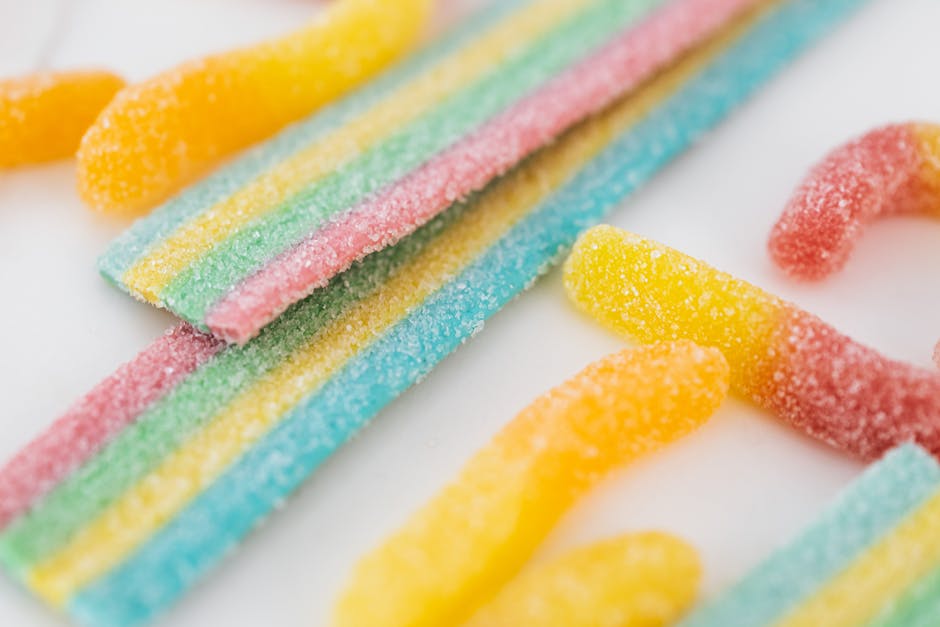
Getting toddlers excited about healthy snacks isn’t about sneaking broccoli into brownies. It’s about making the experience theirs. Start by letting them build their own plate just two to three small choices at a time. It gives them some control without turning snack time into chaos. Think sliced grapes, cheese cubes, roasted chickpeas. They pick, you guide.
Visuals help, too. Cookie cutters turn apple slices or sandwich halves into stars, hearts, or dinosaurs. Food picks give small bites some flair and a little independence. For extra fun, toddler safe skewers can combine soft fruits or veggies into friendly kebabs they’ll actually eat.
Themed trays are another win. Go full rainbow with bell peppers and berries, or keep it silly with snacks arranged into smiley animal faces. You can even sneak in a little learning use food to form letters of the alphabet or simple shapes. The key: keep it simple, hands on, and low pressure.
Avoiding Sugar Traps and Sneaky Additives
Marketing doesn’t always mean healthy. A snack labeled “organic” or “whole grain” can still pack more sugar than you’d expect. First step: flip the bag over. Look at the ingredient list. If sugar (or syrup, or juice concentrate) shows up in the first three items, it’s a red flag. Also, fewer ingredients usually mean fewer problems.
For better options, think swaps not overhauls. Go fruit based instead of fruit flavored. Unsweetened applesauce instead of the pouch that tastes like a lollipop. Try making a quick snack mix at home: plain cereal, freeze dried fruit, and a handful of seeds or bits of dried coconut. If it’s shelf stable, aim for low sugar, basic ingredients, and a little fiber or protein to balance it out.
This isn’t about perfection it’s about clarity. The more confident you are in reading labels, the easier it becomes to stock snacks that feel both easy and safe.
More toddler snack inspiration here
When They’re Picky: What Works
Getting toddlers to try new snacks can feel like a daily challenge but it doesn’t have to turn into a power struggle. The key? Focus on exposure, routine, and leading by example.
Gentle Exposure Without Pressure
Rather than pushing new foods, simply place them alongside familiar favorites. Toddlers are naturally curious and more likely to explore new snacks when they’re presented in a no stress setting.
Pair new foods with liked items on the same plate
Offer small portions to reduce overwhelm
Repeat exposure over time even if they don’t try it the first (or fifth) time
Think Small and Low Stakes
Big portions and pressure can backfire. Keep snack time stress free by focusing on small, manageable servings.
Serve snacks in toddler sized compartments or mini plates
Avoid bribes, rewards, or ultimatums
Let them choose what and how much they want to eat from the selection provided
Be the Example They Watch
Toddlers are always observing. One of the most effective ways to encourage healthy snack habits is to model them yourself.
Eat a variety of colorful, nutritious snacks in front of them
Talk casually about what you enjoy (e.g., “I love these crunchy carrots!”)
Share snack time together when possible: it builds routine and connection
With patience and a little strategy, snack time becomes an opportunity not a battleground.
Keep It Going
Sustaining healthy snack habits doesn’t have to be complicated it just requires a bit of structure and a lot of flexibility. Once you’ve found what works, commit to a small set of snack ideas that check all your boxes: nutritious, easy to prepare, and toddler approved.
Rotate a Core Snack List
Rather than reinventing the wheel every day, create a simple rotation of go to options. This helps toddlers know what to expect while keeping things from getting too repetitive.
Build a list of 5 10 snack options that your toddler consistently enjoys
Include a balance of fresh, pantry friendly, and prep ahead items
Rotate snacks based on season, availability, and your schedule
Bring Toddlers into the Process
Involving kids in snack time increases their interest and ownership. Even small tasks can help them feel involved and more willing to try new foods.
Let them pick between two healthy options
Invite them to help rinse fruit, arrange items on a plate, or place food picks
Use grocery trips to point out their favorite (or new) items together
Consistency, Not Perfection
Toddlers thrive on routine but they also need room to explore. A snack routine that’s predictable, yet flexible, builds their confidence as eaters.
Stick to familiar formats (like mini muffin trays or divided plates)
Introduce one new ingredient or shape per week no pressure
Stay patient building healthy habits takes time but pays off
By maintaining a healthy snack rotation and involving your toddler in the process, you create a positive, low stress food environment that supports long term habits.
 Claudette Thomasadies is the kind of writer who genuinely cannot publish something without checking it twice. Maybe three times. They came to essential mom life tips and tricks through years of hands-on work rather than theory, which means the things they writes about — Essential Mom Life Tips and Tricks, Family Routine Strategies, Parenting Daily Buzz, among other areas — are things they has actually tested, questioned, and revised opinions on more than once.
That shows in the work. Claudette's pieces tend to go a level deeper than most. Not in a way that becomes unreadable, but in a way that makes you realize you'd been missing something important. They has a habit of finding the detail that everybody else glosses over and making it the center of the story — which sounds simple, but takes a rare combination of curiosity and patience to pull off consistently. The writing never feels rushed. It feels like someone who sat with the subject long enough to actually understand it.
Outside of specific topics, what Claudette cares about most is whether the reader walks away with something useful. Not impressed. Not entertained. Useful. That's a harder bar to clear than it sounds, and they clears it more often than not — which is why readers tend to remember Claudette's articles long after they've forgotten the headline.
Claudette Thomasadies is the kind of writer who genuinely cannot publish something without checking it twice. Maybe three times. They came to essential mom life tips and tricks through years of hands-on work rather than theory, which means the things they writes about — Essential Mom Life Tips and Tricks, Family Routine Strategies, Parenting Daily Buzz, among other areas — are things they has actually tested, questioned, and revised opinions on more than once.
That shows in the work. Claudette's pieces tend to go a level deeper than most. Not in a way that becomes unreadable, but in a way that makes you realize you'd been missing something important. They has a habit of finding the detail that everybody else glosses over and making it the center of the story — which sounds simple, but takes a rare combination of curiosity and patience to pull off consistently. The writing never feels rushed. It feels like someone who sat with the subject long enough to actually understand it.
Outside of specific topics, what Claudette cares about most is whether the reader walks away with something useful. Not impressed. Not entertained. Useful. That's a harder bar to clear than it sounds, and they clears it more often than not — which is why readers tend to remember Claudette's articles long after they've forgotten the headline.