
2 AM and Everything Feels Raw
There’s something different about parenting at night. It’s not just the time it’s the silence, the stillness, the strange mixture of exhaustion and hyperawareness. While the world sleeps, you’re awake, rocking in rhythm with a tiny life that depends on you for everything. This isn’t multitasking. This is the task. No distractions, no outside noise just you, the low hum of a white noise machine, and a baby who won’t quite settle.
The fatigue is dense. It lives in your limbs, behind your eyes, at the base of your neck. And yet, right next to it is something heavier in a different way: love. Real, aching, no one else can do it love. You cradle this small body, barely believing how something so new can pull so deeply on your every nerve and heartbeat.
Sometimes your mind drifts. To work, to laundry, to the last time you felt fully rested. But even in those moments, parenting at night hits a nerve truthfully and without filters. It’s where vulnerability lives, where care becomes visceral. It’s as raw as it gets and somehow, that’s where the connection grows roots.
When the house is dark and your hands are full, you realize: this isn’t just about feeding a baby. It’s about showing up when no one sees you. About loving in the quiet. About being a parent in the truest, most human sense.
The Spectrum of Emotions: It’s Not Just Tired
Midnight feedings don’t just sap your energy they mess with your emotions in ways daylight never does. One moment, you’re silently crying from frustration. Two minutes later, your baby wraps their fingers around yours and you’re overwhelmed with love. It’s a loop: guilt over not feeling grateful enough, gratitude for the chance to be there, anger at how alone it all feels, and then that strange, aching joy that sneaks in anyway.
The emotional tug of war is real. You whisper “I can’t do this” under your breath at 3:17am, then five minutes later, you stare down at your baby and think, “I wouldn’t trade this for anything.” Both thoughts are true. Both can live in the same hour.
Biology doesn’t help we’re working with whiplash inducing hormone levels, a deep calorie deficit, and broken sleep cycles. Your body is constantly trying to find homeostasis in a storm of new needs. Hunger, hormones, and habits all crash together under the nighttime silence. That silence, by the way, can be deafening. It leaves a lot of space for overthinking, self questioning, and emotional overload.
But here’s the unglamorous truth: these feelings don’t make you a bad parent. They make you a present one. And they do pass sometimes not fast, but steady enough to remind you joy has a way of circling back.
What Midnight Feedings Teach You (That No Book Does)
There’s no manual for the 3 AM version of you the one sitting in dim light, one eye open, bottle in hand, pulse syncing with a tiny heartbeat. This is where parenting moves from theory to muscle memory. Over time, you start noticing patterns. The way your baby sighs right before sleep. The difference between a hungry cry and one that just says, “I need you close.” You’re not just learning them you’re learning you.
Limits get tested here. You find out how little sleep you can function on, what happens when patience thins, and what quiet resilience feels like in your bones. Midnight clears out the noise. No visitors. No filters. Just you, your baby, and the truth of the moment. The bonding isn’t loud or dramatic. It’s in the gentle weight of a head against your shoulder, the rhythm of your breath slowing theirs. Over time, this is what forms secure attachment not flashcards or playlists, but presence.
And in these hours, without an audience, you meet the rawest version of your parenting self. Sometimes you show up calm, other times cracked open. But showing up at all? That’s what counts.
Helpful Coping Strategies That Actually Work
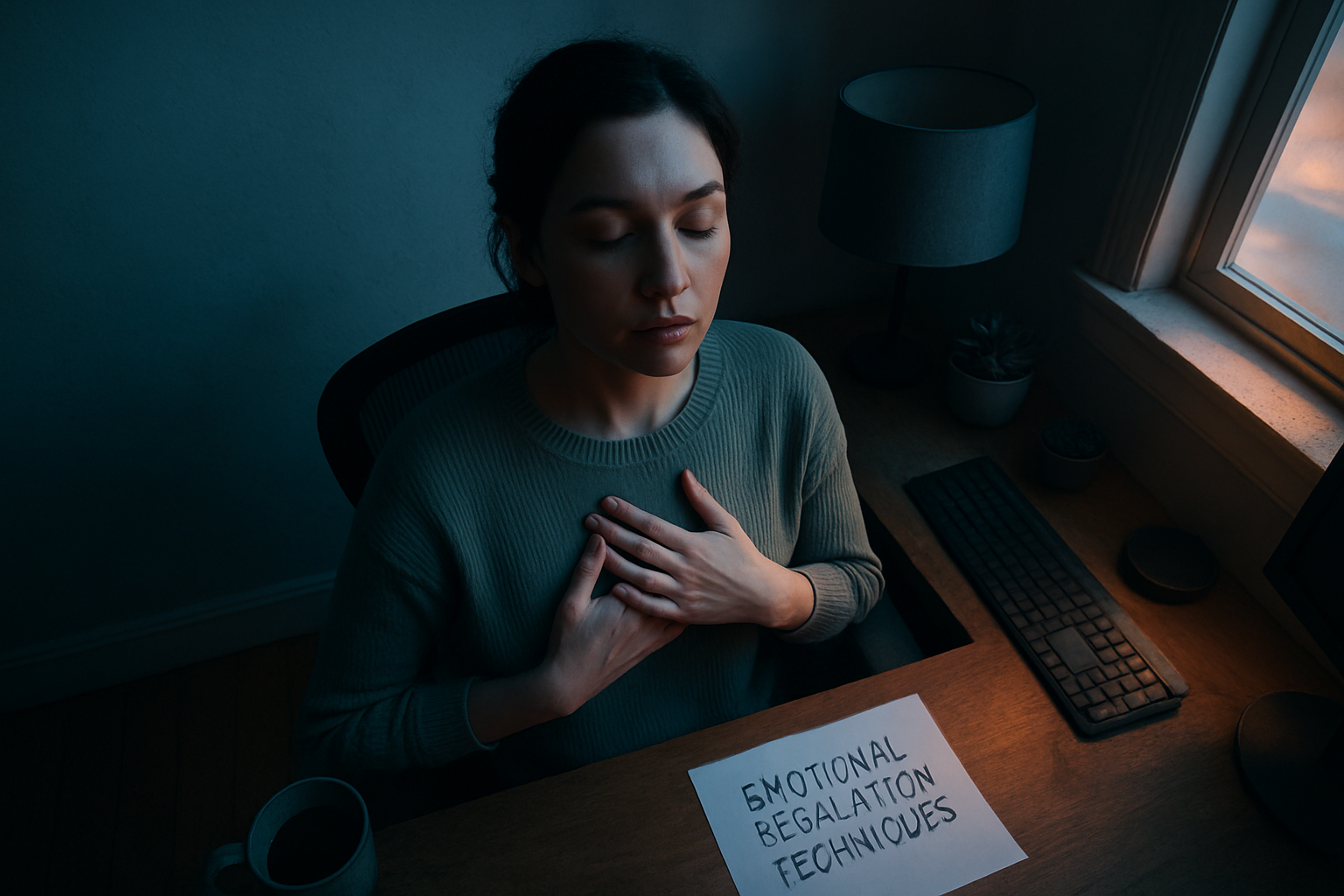
Let’s be honest nothing fully prepares you for 2 a.m. reality. The baby’s awake, your body’s wrecked, and your brain is jumping between existential dread and wondering when diapers went up in price. But there’s a toolkit of small wins that can actually make this blur of nights more bearable.
First, micro naps. They’re not a joke. Ten minutes here and there? They keep your engine running. Don’t overthink them. Baby sleeps, you lie down. Full stop. Forget the dishes.
Second: drop the fantasy. There’s no gold star for being the perfect parent, especially at night. The bar is survival. If you got the baby fed and no one’s bleeding, you did great.
These feedings can also be moments to breathe. Literally. Focus on the rhythm of your inhale while your baby eats. Anchor yourself. You’re here, they’re here, and that’s enough.
And for the times you need something external, lean on quiet podcasts, simple breathing exercises, or just the boundary of deciding not to answer one more text from that advice happy relative. Portable self care isn’t selfish it’s essential.
Still feeling like you’re underwater? This piece speaks right to that fog: Finding Gratitude in Messy Mom Moments. It doesn’t sugarcoat anything, and that’s exactly why it helps.
Why It’s Okay to Hate It Some Nights
Let’s dismantle the myth first: the “glowing” mother is mostly great lighting and selective storytelling. Real motherhood especially at 3 AM with spit up on your shirt and a baby screaming for reasons you can’t decode is not always a Hallmark moment. It’s work. Exhausting work that doesn’t get clocked or clapped for.
Feeling angry or sad during those moments? Not a flaw. Those feelings are your system screaming for a breath. They’re signals, not guilt trips. You’re allowed to be overwhelmed. You can love your child deeply and still feel spent. The idea that maternal love should cancel out normal human emotion is a trap and frankly, a lie.
This is why your support system matters. And no, it doesn’t have to be some polished image of parent perfect friends or a partner who reads baby books cover to cover. It’s the person who says, “I’ve been there, too.” It’s the group text where no one filters their tears behind sleep deprived jokes. It’s asking for help even when you don’t have the words yet. The goal isn’t perfection. It’s getting through the mess together, one brutal, beautiful feed at a time.
The 2026 Parent’s Reality
The pandemic is over, but its fingerprints are still all over modern parenting. Many new parents are navigating early childhood with a lingering sense of hypervigilance sanitizers in every bag, backup plans for backup plans, a nervous scroll through symptoms and checklists. The nursery isn’t just a place of comfort anymore it’s often wired, scheduled, and tracked down to the minute.
Monitoring apps, sleep trackers, real time updates on feeding and bowel movements it adds up. On paper, the data looks helpful. In reality, it can tip into anxiety fast. When every beep feels like a benchmark, perfection becomes the unattainable goal. And when your child doesn’t follow the algorithm, it’s easy to feel like you’re falling short.
This is where digital transparency matters. Parents are slowly pushing back against the pressure by getting louder about the truth: the messy, conflicting, tired truths. Vulnerable posts, late night rants, shared tears in comments it’s not just venting, it’s repair. It’s what reconnects parenting with being human instead of being optimized.
Turns out, the best thing we can do with all this tech and pressure is to use it sparingly and talk about it honestly. Because no app knows your baby better than you do.
This Phase is Short. The Impact Isn’t.
Your baby won’t remember the 3 A.M. feedings, the bouncing rhythms you memorized like a prayer, or the hours you paced a dim hallway whispering lullabies. But you will. You’ll remember the cracked nipples, the low hum of the fridge in the silence, the aching spine from holding a world that didn’t know you were tired. You will carry it not as weight, but as proof.
These nights shape something deep. Not just the bond with your child, but the steel behind your eyes. Strength doesn’t always show up roaring. Sometimes, it looks like making a bottle in the dark, even when your legs shake. Sometimes it’s choosing patience over panic when everything feels out of tune.
You’re not failing just because it feels hard. Exhaustion is not a character flaw. It’s a side effect of giving and giving and giving more. If all you did today was show up even frayed, even foggy that counts. That’s what they’ll grow into. And those moments you think slip past unnoticed? They’re the ones that change everything.
Hold on. Breathe. Let the dishes wait. This chapter may blur, but its impact sticks.
 Elizabeth Burksolider writes the kind of family routine strategies content that people actually send to each other. Not because it's flashy or controversial, but because it's the sort of thing where you read it and immediately think of three people who need to see it. Elizabeth has a talent for identifying the questions that a lot of people have but haven't quite figured out how to articulate yet — and then answering them properly.
They covers a lot of ground: Family Routine Strategies, Curious Insights, Parenting Daily Buzz, and plenty of adjacent territory that doesn't always get treated with the same seriousness. The consistency across all of it is a certain kind of respect for the reader. Elizabeth doesn't assume people are stupid, and they doesn't assume they know everything either. They writes for someone who is genuinely trying to figure something out — because that's usually who's actually reading. That assumption shapes everything from how they structures an explanation to how much background they includes before getting to the point.
Beyond the practical stuff, there's something in Elizabeth's writing that reflects a real investment in the subject — not performed enthusiasm, but the kind of sustained interest that produces insight over time. They has been paying attention to family routine strategies long enough that they notices things a more casual observer would miss. That depth shows up in the work in ways that are hard to fake.
Elizabeth Burksolider writes the kind of family routine strategies content that people actually send to each other. Not because it's flashy or controversial, but because it's the sort of thing where you read it and immediately think of three people who need to see it. Elizabeth has a talent for identifying the questions that a lot of people have but haven't quite figured out how to articulate yet — and then answering them properly.
They covers a lot of ground: Family Routine Strategies, Curious Insights, Parenting Daily Buzz, and plenty of adjacent territory that doesn't always get treated with the same seriousness. The consistency across all of it is a certain kind of respect for the reader. Elizabeth doesn't assume people are stupid, and they doesn't assume they know everything either. They writes for someone who is genuinely trying to figure something out — because that's usually who's actually reading. That assumption shapes everything from how they structures an explanation to how much background they includes before getting to the point.
Beyond the practical stuff, there's something in Elizabeth's writing that reflects a real investment in the subject — not performed enthusiasm, but the kind of sustained interest that produces insight over time. They has been paying attention to family routine strategies long enough that they notices things a more casual observer would miss. That depth shows up in the work in ways that are hard to fake.