
Tech Meets Tantrums: The Digital Influence on Parenting
Parenting looks different when there’s an AI on the toy shelf and a baby monitor that can read emotions. Smart devices once novelties now shape the daily rhythm of family life. Morning routines? Automated. Nap schedules? Optimized. Bedtime stories? Narrated by voice assistants with the perfect tone and timing. Apps offer gentle nudges when a kid’s about to melt down, or buzz a phone when playtime runs low. The line between tool and co parent is getting blurry.
Behind this digital parenting revolution is a harsh truth: the balancing act between work, life, and childcare is stretched thin. With caretaking outsourced to tech whether it’s a plush toy that tracks sleep or a scheduling app that coordinates everyone’s day parents are leaning in not because it’s trendy, but because it’s necessary. Real time data feels like a lifeline when you’re managing three Zooms and dinner.
But here’s the question that’s gaining volume: are we offloading more than tasks? Are we letting apps step in where connection should? When a device soothes frustration or tracks emotional patterns, it’s easy to forget that the child’s needs don’t just get checked off they need to be felt, addressed, and shared.
Using tools isn’t the problem. Detaching from the labor of emotional caregiving is. Smart parenting in 2026 will be less about perfect automation and more about knowing which part of the job to keep human.
Conscious Parenting Takes the Lead
The old playbook strict rules, timeouts, and “because I said so” is losing its grip. In its place, emotional intelligence and empathy are stepping in. Parents today are looking past control and compliance. They want connection. That means fewer punishments and more conversations. Less yelling, more listening.
It’s not about being overly permissive; it’s about leading with curiosity instead of fear. This shift has opened the door to a wave of resources tailored to intentional parenting. Parenting coaches, therapy on demand, mindfulness apps they’re no longer fringe. They’re mainstream tools for families trying to raise emotionally balanced kids in an overstimulated world.
More and more, emotional regulation is the skill parents aim to model, not just enforce. Because the goal isn’t just getting kids to behave it’s helping them understand why behavior matters in the first place.
The Social Media Mirror
Parenting used to be private. Now it happens in front of an audience. Influencers have turned feeding schedules, diaper brands, and toddler meltdowns into content and followers are watching, comparing, and often copying. Viral advice spreads fast, but it’s not always grounded in science, or even reality. What one mom claims in a 15 second clip might be entirely different from what’s recommended by pediatricians or child psychologists.
The bigger issue? The silent pressure to curate. Perfect pantries, spotless nurseries, giggling babies in matching outfits all of it feeds the illusion that parenting is neat. But it isn’t. And daily exposure to highlight reels makes real life chaos feel like failure. More parents say they’re torn between keeping it real and keeping up appearances.
Still, creators who share the unfiltered truth tantrums, dirty dishes, doubts are building strong, loyal communities. People want authenticity over aesthetics. If there’s any takeaway from all this scrolling, it’s that vulnerability is winning.
For a closer look at the highs and lows of social media’s parenting playbook, check out the deep dive: How Social Media Is Shaping Modern Day Parenting.
Dads, Roles, and Redefinitions
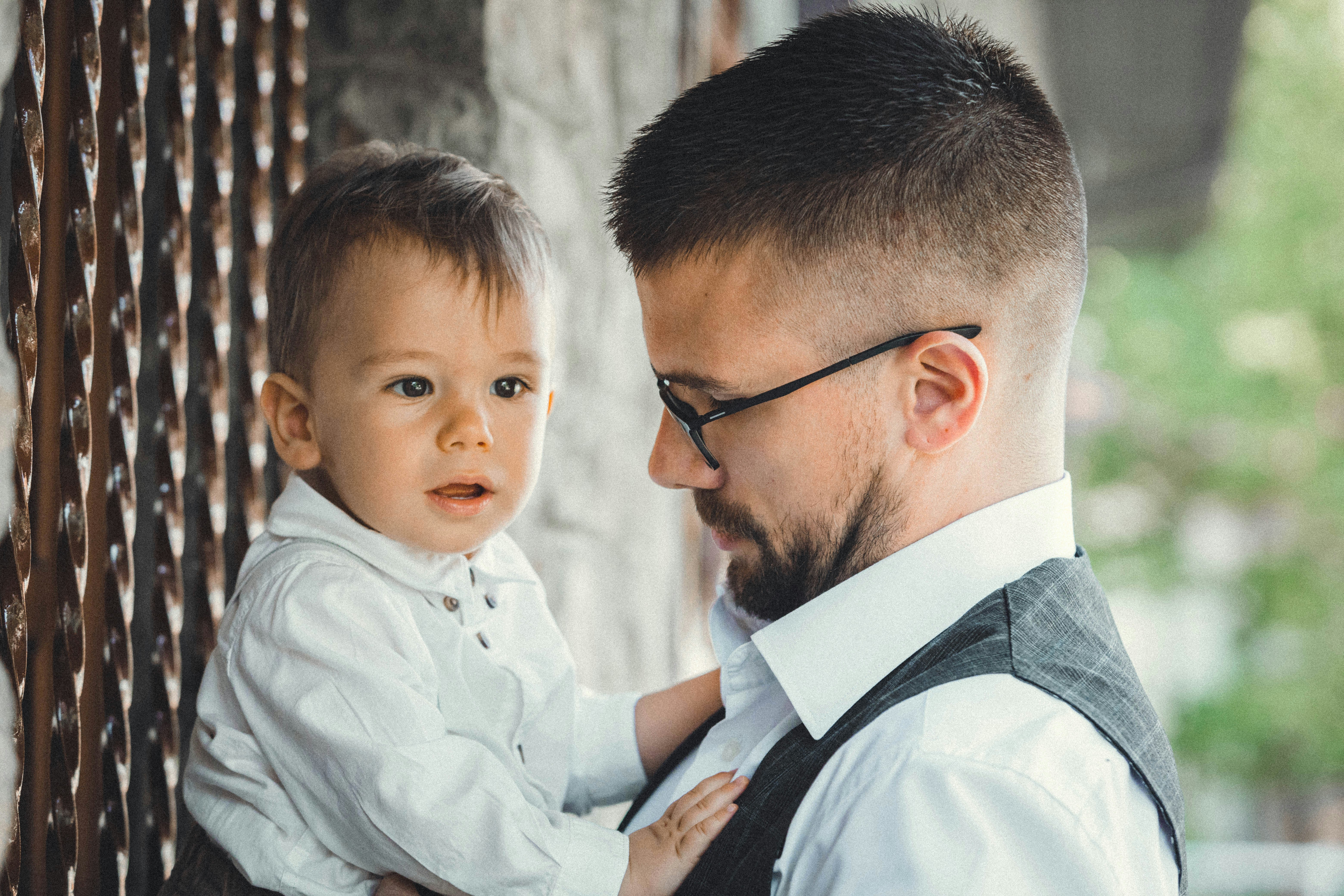
The stereotypical dad as secondary parent script is quietly being rewritten. More fathers are showing up not just for soccer practice or bedtime stories, but as the lead parent the one packing lunches, managing school drop offs, and scheduling pediatrician visits. This shift is less anecdotal and more measurable, powered by changing values, economic pressure, and cultural permission to break old molds.
Co parenting isn’t just a trend; it’s becoming a legitimate default. Shared responsibilities, rotating routines, aligned calendars there’s more structure now where there used to be stigma. Social media is normalizing the sight of dads in the thick of daily parenting, not as heroes, but as equals. And that matters.
Workplaces are starting to catch up. Some are dragging their feet, but others are adapting rethinking parental leave policies, flexible scheduling, and acknowledging that caregiver isn’t code for “mom.” These aren’t perks anymore. They’re expectations from a new generation of dads who are done apologizing for showing up at ballet recitals in the middle of a Thursday.
The result? A long overdue redefinition of what it means to parent and a healthier model for the kids watching it all unfold.
The Mental Load Is Finally a Conversation
For years, emotional and invisible labor planning birthday parties, remembering doctor appointments, tracking school deadlines stayed in the background. It wasn’t seen, and it wasn’t talked about. That’s changing. More parents, especially millennials and Gen Z, are naming it. They’re refusing to carry the full cognitive and emotional burden of running a household in silence.
Equal task sharing is becoming less of a buzzword and more of a benchmark. Partners are talking expectations earlier. To do lists are going digital and shared. Default assumptions like one parent always handling sick days or reading school newsletters are being questioned and redistributed. It’s not about perfection; it’s about participation.
At the same time, burnout has crept into family life on a mass scale. Parents are worn down, not just by tasks, but by the constant decision making. That pressure’s forcing change. Mutual aid pods. Grandparent co ops. Employers revisiting flexibility policies. These aren’t just nice to haves they’re lifelines. When people say it takes a village in 2026, they mean it literally and they’re building it themselves.
2026 Kids, 2026 Challenges
Kids in 2026 are growing up fast digitally, emotionally, and socially. Parents are waking up to the fact that simply limiting screen time doesn’t cut it anymore. Yes, boundaries matter. But teaching digital literacy is the real game changer. Instead of fearing the algorithm, kids need to understand it how it shapes what they see, what it wants from them, and how to stay intentional online.
Resilience looks different now. It’s not just about bouncing back from playground drama. It’s about handling online comparison, knowing when to log off, and navigating a world that thrives on instant validation. That’s a tall order for anyone, let alone a 10 year old with a phone.
The smartest parenting now leans into autonomy. It’s about giving kids decision making power early what they watch, how they solve problems, where they place their attention. Structured freedom, plain and simple. Because this next generation is fast, sharp, and highly adaptive. They don’t need more control. They need smarter guidance.
What It All Means
Parenting in 2026 isn’t about mastering every new app or reading every parenting book cover to cover. It’s about showing up digitally smart, emotionally aware, and ready to share the load. Tech isn’t replacing instinct, but it is sharpening how parents juggle schedules, monitor safety, and stay connected. Tools like AI co planners or smart monitors are part of the parenting toolkit now, not a crutch.
The tone has shifted. Perfect parents the ones who seemed to have it all figured out are out. Parents who can adapt, communicate, and admit they don’t have all the answers are in. Co parenting models are stronger. Emotional labor is finally recognized. And mental health isn’t a side topic anymore it’s core to the job.
What makes a great parent in 2026? Someone who listens, adjusts, and doesn’t pretend to know it all. Being present matters more than being polished. And community, in all its forms, is just as critical as any tech tool.
 Ask Zyphara Vosswyn how they got into late-night motherhood reflections and you'll probably get a longer answer than you expected. The short version: Zyphara started doing it, got genuinely hooked, and at some point realized they had accumulated enough hard-won knowledge that it would be a waste not to share it. So they started writing.
What makes Zyphara worth reading is that they skips the obvious stuff. Nobody needs another surface-level take on Late-Night Motherhood Reflections, Curious Insights, Family Routine Strategies. What readers actually want is the nuance — the part that only becomes clear after you've made a few mistakes and figured out why. That's the territory Zyphara operates in. The writing is direct, occasionally blunt, and always built around what's actually true rather than what sounds good in an article. They has little patience for filler, which means they's pieces tend to be denser with real information than the average post on the same subject.
Zyphara doesn't write to impress anyone. They writes because they has things to say that they genuinely thinks people should hear. That motivation — basic as it sounds — produces something noticeably different from content written for clicks or word count. Readers pick up on it. The comments on Zyphara's work tend to reflect that.
Ask Zyphara Vosswyn how they got into late-night motherhood reflections and you'll probably get a longer answer than you expected. The short version: Zyphara started doing it, got genuinely hooked, and at some point realized they had accumulated enough hard-won knowledge that it would be a waste not to share it. So they started writing.
What makes Zyphara worth reading is that they skips the obvious stuff. Nobody needs another surface-level take on Late-Night Motherhood Reflections, Curious Insights, Family Routine Strategies. What readers actually want is the nuance — the part that only becomes clear after you've made a few mistakes and figured out why. That's the territory Zyphara operates in. The writing is direct, occasionally blunt, and always built around what's actually true rather than what sounds good in an article. They has little patience for filler, which means they's pieces tend to be denser with real information than the average post on the same subject.
Zyphara doesn't write to impress anyone. They writes because they has things to say that they genuinely thinks people should hear. That motivation — basic as it sounds — produces something noticeably different from content written for clicks or word count. Readers pick up on it. The comments on Zyphara's work tend to reflect that.