
Stillness Reveals the Real Lessons
There’s something about 2:30 a.m. that strips everything down. No background noise. No to do lists yelling from the next room. Just you, the dark, and a tiny heartbeat pressed against yours. Nighttime has a way of magnifying emotion not because things are worse in the dark, but because everything else is quiet enough for you to finally hear it.
The day is a storm: laundry, text messages, feeding schedules, maybe even work emails unanswered from two days ago. But when the house goes still, emotion has space to rise. In those hours, the love feels heavier, the worry sharper, and the wonder more real. The contrast is jarring chaos versus calm and that alone brings clarity.
When the world sleeps and you’re the only one awake with your baby, silence becomes a kind of mentor. It teaches you patience without applause. Presence without distraction. You’re not performing, not posting just being. And maybe that’s where the very heart of motherhood lives: in the unnoticed quiet, where the lessons come slow, but stay forever.
Patience Isn’t Just a Virtue It’s Survival
There are nights that stretch longer than they should. When the clock hasn’t moved in an hour, and your baby is still crying, and you’ve already tried everything feeding, swaying, changing, whispering. Nothing sticks. Nothing soothes. Those nights teach you patience in its rawest form. Not the polished kind passed down in parenting books, but the cracked, uncomfortable patience you only develop when there are no options left but to sit with what is.
I used to think every problem had a fix some magic combination of effort, timing, or intuition. Then came those nights that refused to be solved. And they broke something in me. They broke my belief in control, in quick remedies, in being the kind of mom who always knew what to do. I hated it. Then I softened. I started to listen more. To my baby. To myself. To the quiet.
That’s when it shifted not the crying, not the struggle, but something internal. Instead of pressing harder, I let go. I stopped trying to force calm and became calm. I learned how to breathe even when she didn’t. I learned that showing up fully present, open, grounded was enough. And sometimes, that undid the tension better than anything else.
Surrender isn’t weakness. It’s a quieter kind of strength. The kind that shows up at 2:47 a.m. when you hold a tiny body that won’t settle and decide to stay anyway. Without fixing. Without fleeing. Just staying honestly, quietly, and wholeheartedly.
Identity Shifts in the Glow of a Nightlight
At 3:00 a.m., there’s no performance. No pretending. Just you, dim lighting, a half asleep baby, and whatever version of yourself is left after the long day and longer night. That’s when I met the version of me who stopped trying to be everything I was before motherhood. The overachiever, the planner, the one who measured her worth by checked boxes and tidy schedules she couldn’t help me at this hour.
Letting go didn’t happen all at once. It started subtly. A missed shower. A to do list I didn’t even try to write. But in place of that old structure, something sturdier began to grow. I became someone who showed up, again and again, in the smallest hours, with cracked lips and achy arms, because love demanded it. Someone who could sit in uncertainty without unraveling. That was new.
Confidence didn’t return in grand ways. It showed up in tiny wins swaying my baby back to sleep after a crying fit, choosing calm when I wanted to snap, learning how to trust myself without needing gold stars. These weren’t loud victories, but they were real. And they built something better than the version of me I thought I had to keep chasing.
Motherhood stripped me down, sure. But it also rebuilt me, moment by quiet moment, into someone softer, stronger, and far more honest.
Love Becomes a Muscle, Not a Mood
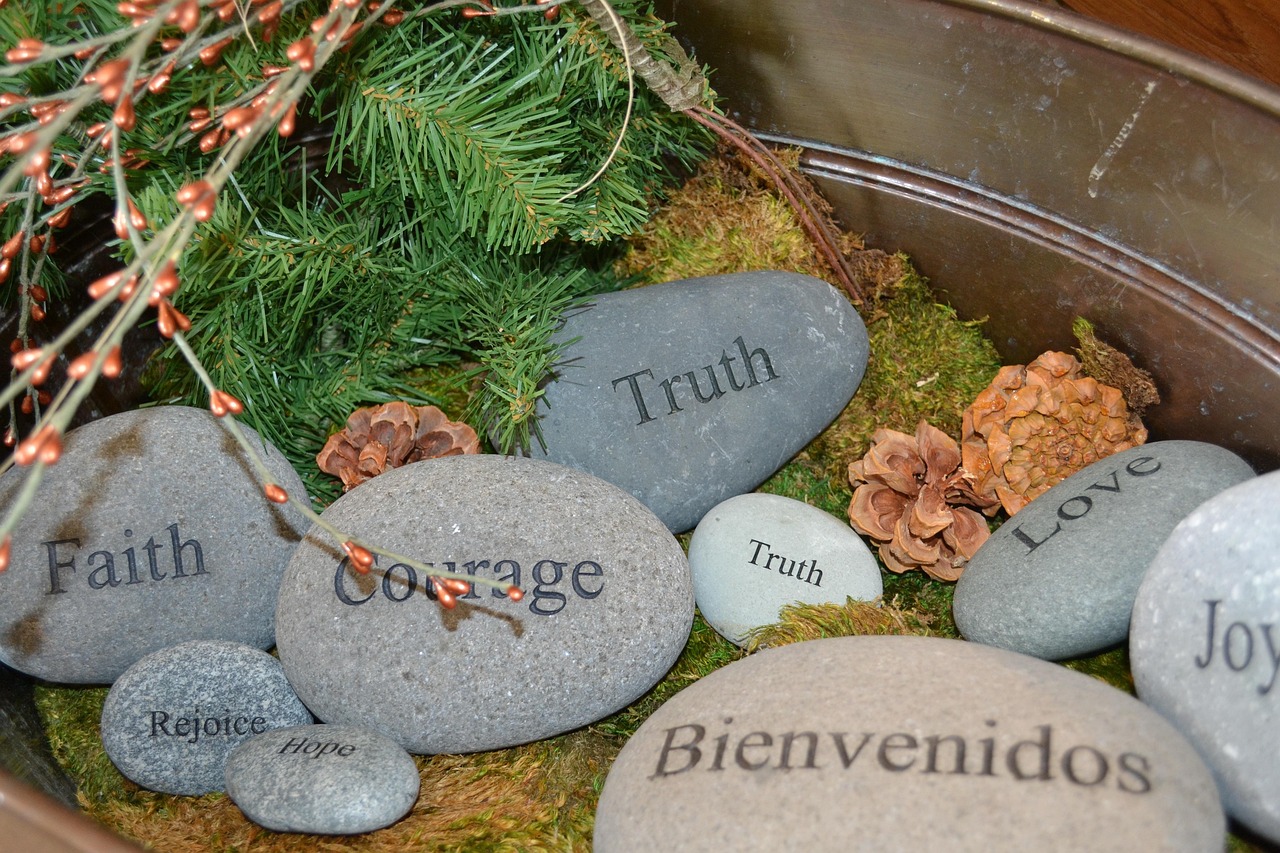
In the dim light of 2:00 a.m., when sleep feels like a memory and the quiet stretches endlessly, love takes on a different shape. It’s not a warm feeling it’s an action, a decision. In the quiet hours, I learned that love could be practiced, like a muscle, strengthened not by ease but by repeated use under strain.
Building Resilience Through Routine
Each diaper change in silence, each feeding with heavy eyes, taught me something I didn’t expect: endurance can grow out of devotion.
Midnight routines became training grounds for emotional resilience
My hands acted long before my head caught up
Muscle memory took over when thinking clearly wasn’t an option
Choosing Love at the Edge of Exhaustion
There were nights when I had nothing left. When frustration joined fatigue, and I questioned whether I could do any of it right. That’s when love stopped being a mood and became a choice I made in defiance of my exhaustion.
I chose patience when irritation felt easier
I chose care when I wanted distance
I chose to stay soft when everything in me felt frayed
Silent Moments, Strongest Bonds
Oddly, some of my deepest connections with my baby came from those wordless midnights. I didn’t need to say anything warmth, closeness, rhythm spoke for me.
Gentle rocking said more than language
Steady breath, closeness, heartbeat to heartbeat those connected us
In the stillness, a bond beyond language took root
Love, in those moments, was not cinematic or effortless. It was quiet and unglamorous and absolutely transformative.
The Beauty and Brutality of Sleep Deprivation
No one really explains just how heavy the nights can be. The kind of heavy that doesn’t just sit in your arms it settles in your chest, your head, your bones. Sleep deprivation doesn’t arrive like a storm. It’s slower, stickier, like fog seeping under the door. At 2:00 a.m., with your baby fussing and your body aching, it becomes painfully clear: there’s no shortcut through this.
But here’s the truth fighting the exhaustion only makes it worse. Some nights are hard. Some are brutal. Pretending otherwise does no one any favors. Name the frustration. Acknowledge the resentment when it comes. Then breathe. Speak gently to yourself, even when your patience is worn paper thin. Being kind to yourself isn’t optional it’s oxygen.
You show up again. Not perfectly, just presently. That’s the work. And in that fog, a quiet strength builds. The kind you won’t even notice until much later, when the house is finally silent for reasons other than midnight feedings.
(Read more on this moment in The Emotional Rollercoaster of Midnight Feedings)
What I Know Now in 2026
The hours I spent awake with my newborn were never glamorous. No grand breakthroughs or epiphanies. Just a slow, steady grind of showing up half awake, milk stained, quiet. But somewhere in that repetition, in the aching stillness of 3 a.m., something foundational was built.
Those nights shaped me more than any parenting book. They taught me that showing up matters more than getting it right. That being present, even with nothing to offer but your tired body and gentle hands, is a kind of love most children remember long after the diapers and bottles are done.
Strength didn’t look like ease. It looked like patience, staying calm when I had no answers, and holding my baby through cries I couldn’t decode. That endurance bled into years later into how I handle tantrums, middle school hormones, and quiet questions asked from the back seat of a car.
If I could talk to new moms wide eyed in the dim light of early motherhood, I’d say this: your tired presence is enough. Let go of being perfect. You’re not failing just because you’re exhausted. You’re learning. So is your baby. Trust that this slow, quiet work will grow its roots deep. And know that the strength you’re building now will carry your family further than you think.
Final Quiet Moments, Lasting Impact
Echoes That Stay With You
Some nights pass and are forgotten. Others leave a weightless imprint soft, but lasting. The quiet hours of early motherhood still echo in my memory, not because they were dramatic or monumental, but because they were honest. When the house was still and the rest of the world slept, I found clarity I couldn’t get during the noisy, overwhelming daylight.
The hush of those nights made space for reflection
Small victories rocking a baby to sleep, steadying my breath felt meaningful
Emotions surfaced quietly, but deeply
Stretched Capacity, Redefined Presence
Motherhood didn’t just stretch my ability to care for another it reshaped how I showed up for myself. In learning to be fully present for a baby who couldn’t articulate her needs, I began to understand the power of nonverbal connection and patient presence.
I became more attuned to subtle cues, quiet needs, and unspoken rhythms
The idea of “doing enough” shifted from action to awareness
My resilience grew in spaces where no one was watching
The Quiet Sound of Growth
Growth doesn’t always roar. Sometimes it barely hums. In those long, drowsy stretches of parenting, where nothing seemed to be happening, everything was actually changing. I look back now and realize that stillness wasn’t empty. It was formative.
Transformation can look as simple as staying present during hard moments
The most profound changes often come quietly, without obvious milestones
When I learned to listen in the silence, I finally heard myself
Those nights taught me the difference between showing up and rushing through. And in that difference, something enduring was born: a deeper version of myself, patient and present, forged in quiet.
 Claudette Thomasadies is the kind of writer who genuinely cannot publish something without checking it twice. Maybe three times. They came to essential mom life tips and tricks through years of hands-on work rather than theory, which means the things they writes about — Essential Mom Life Tips and Tricks, Family Routine Strategies, Parenting Daily Buzz, among other areas — are things they has actually tested, questioned, and revised opinions on more than once.
That shows in the work. Claudette's pieces tend to go a level deeper than most. Not in a way that becomes unreadable, but in a way that makes you realize you'd been missing something important. They has a habit of finding the detail that everybody else glosses over and making it the center of the story — which sounds simple, but takes a rare combination of curiosity and patience to pull off consistently. The writing never feels rushed. It feels like someone who sat with the subject long enough to actually understand it.
Outside of specific topics, what Claudette cares about most is whether the reader walks away with something useful. Not impressed. Not entertained. Useful. That's a harder bar to clear than it sounds, and they clears it more often than not — which is why readers tend to remember Claudette's articles long after they've forgotten the headline.
Claudette Thomasadies is the kind of writer who genuinely cannot publish something without checking it twice. Maybe three times. They came to essential mom life tips and tricks through years of hands-on work rather than theory, which means the things they writes about — Essential Mom Life Tips and Tricks, Family Routine Strategies, Parenting Daily Buzz, among other areas — are things they has actually tested, questioned, and revised opinions on more than once.
That shows in the work. Claudette's pieces tend to go a level deeper than most. Not in a way that becomes unreadable, but in a way that makes you realize you'd been missing something important. They has a habit of finding the detail that everybody else glosses over and making it the center of the story — which sounds simple, but takes a rare combination of curiosity and patience to pull off consistently. The writing never feels rushed. It feels like someone who sat with the subject long enough to actually understand it.
Outside of specific topics, what Claudette cares about most is whether the reader walks away with something useful. Not impressed. Not entertained. Useful. That's a harder bar to clear than it sounds, and they clears it more often than not — which is why readers tend to remember Claudette's articles long after they've forgotten the headline.